THE POTTERIES
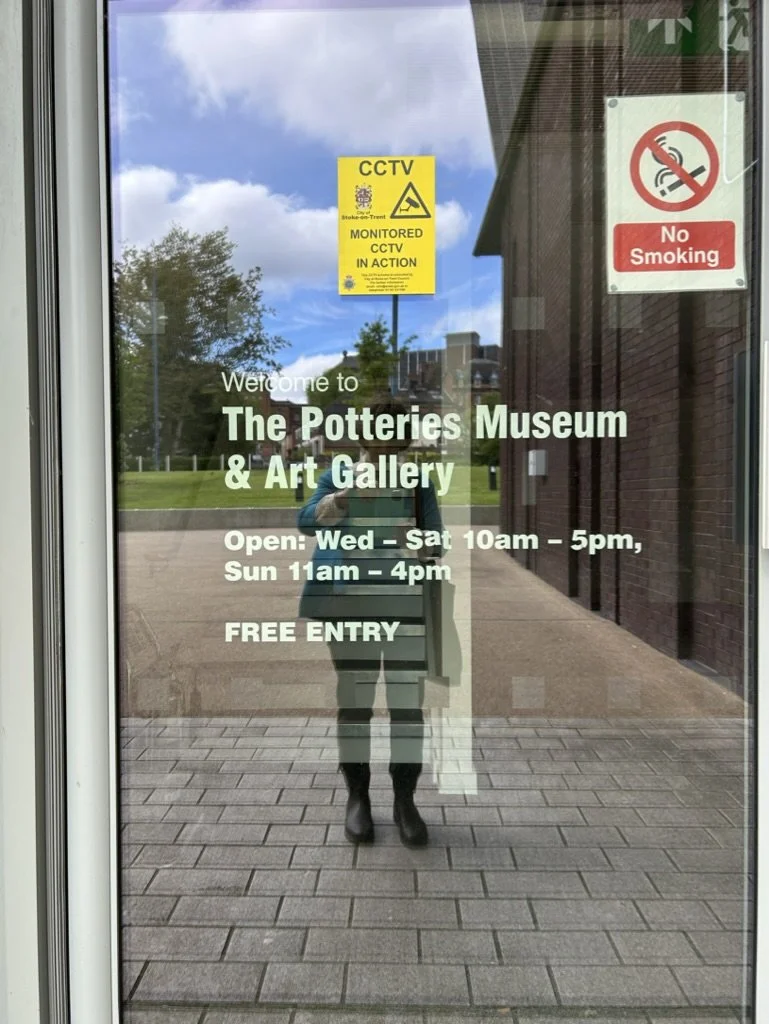
It is Monday and I have travelled around the world to come here
Henry Howard was my great great grandfather, transported in 1842 for burning down Vicar Aitkens’ house during the plug plot riots in Staffordshire; a Chartist I have always said - even boasted. But I have learned things that modify this impression.
First, no plugs were pulled from boilers in the riots in the Potteries; this happened in Yorkshire and Lancashire, in the months before.
During the summer of 1842 during a deep trade depression, a wave of strikes broke out in Northern Industrial areas. When textile manufacturers sought to reduce wages, mobs took the plugs out of the boilers of the factory steam engines. The Chartists seized the moment and attempted to use the strike weapon as a means of having the Charter accepted. Thomas Cooper (1805-92), a Leicester journalist and Chartist leader, describes the situation in Manchester during August of 1842 that became known as the “Plug Plot.” (University of Massachusetts, Dartmouth, http://www.umassd.edu/ir/ https://www.marxists.org/history/england/chartists/plug-plot.htm)
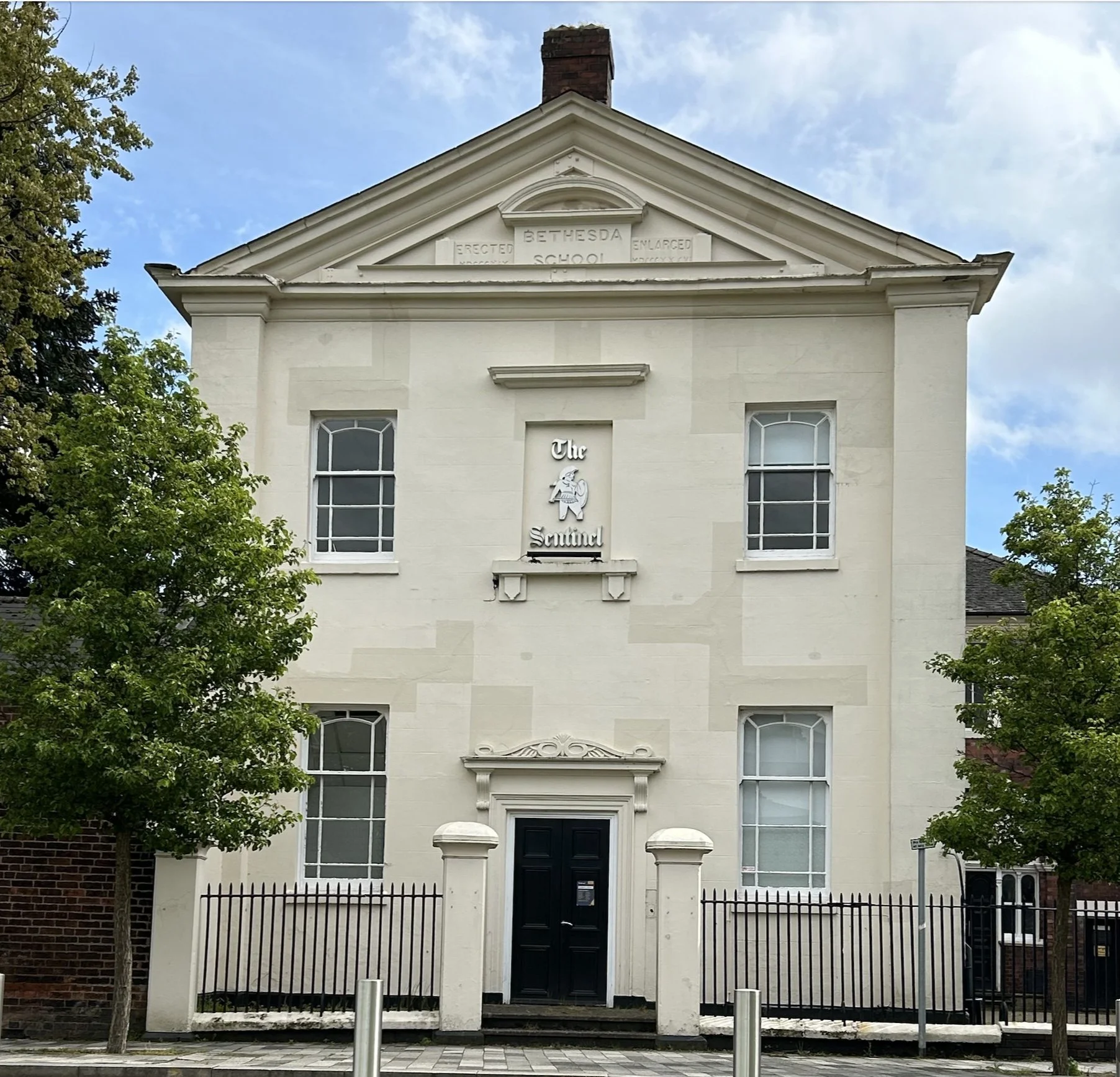
Bethesda Chapel - the School belonging to the Bethesda Church around the corner.
The museum being shut, I walked about looking for a library. I asked a stooped, not-so-very-old-man carrying his groceries up the hill where it was. He pointed the way passed this dear building, the Bethesda School, associated with the Methodist Bethesda Church around the corner. He spread his hand, palm down, indicating and saying the town was done for. But the library had moved. So back I went to find it elsewhere. The librarian was as helpful as she could be, looking up a local historian, Fred Hughes, whom I could contact on LinkedIn - but he hasn’t responded yet.
Already, I know a few things about the riots that had caused Henry’s exile.

Crown Bank Hanley in the 1880s
By chance, the pub I am staying in is close to the Crown Bank, now Barclays, a short walk up the hill. This is the place where the crowd of thousands gathered on the morning of August 15th, 1842, in fine weather, to hear Thomas Cooper speak. A coal miners’ strike was grumbling on, called a fortnight before because the colliery owners had reduced the men’s wages by 7d a day in response to the government imposing an income tax. Thus the already impoverished workers paid the tax indirectly and they felt the injustice, profoundly and furiously. After all, they could not vote; no taxation without representation was a common cry.
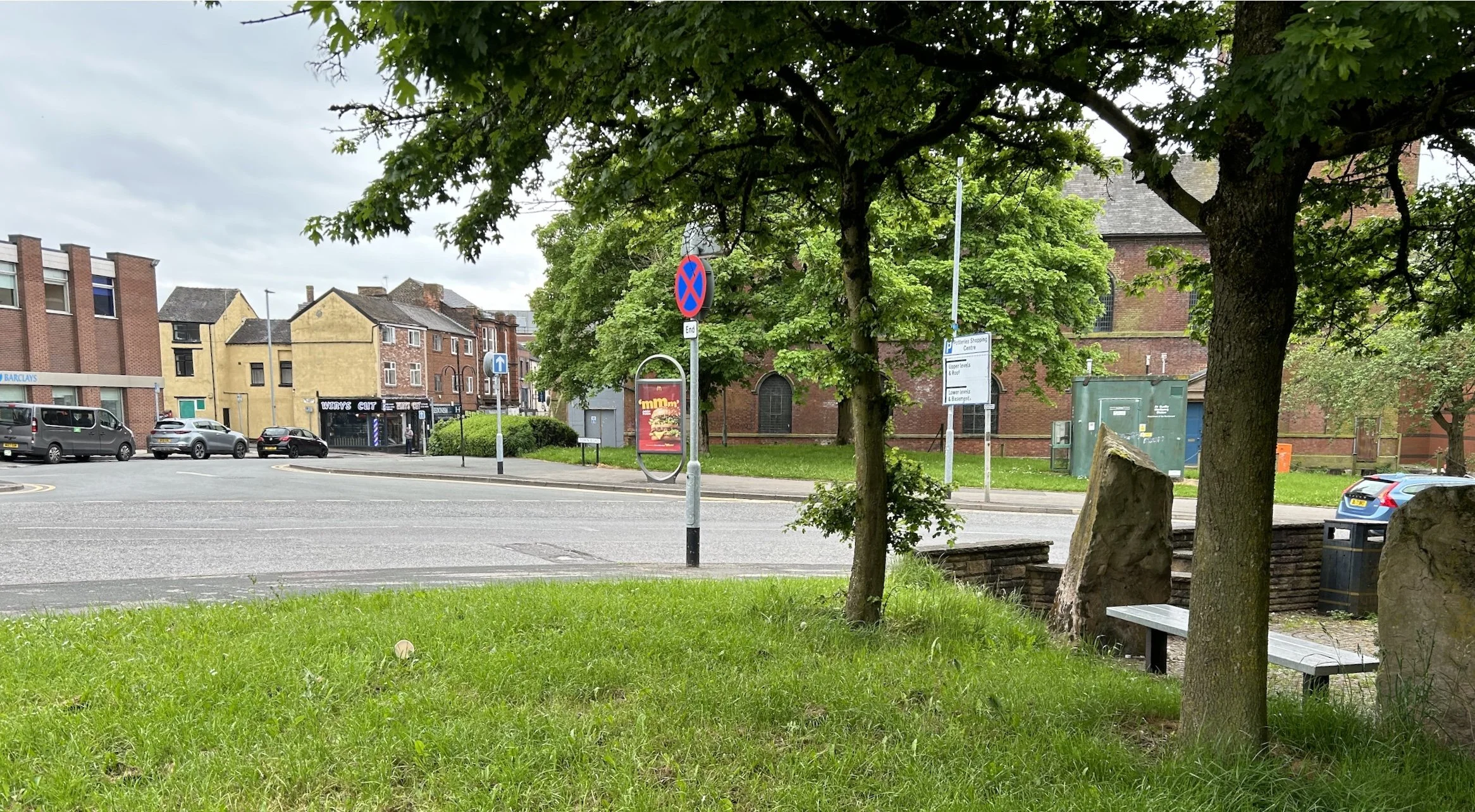
Crown Bank now
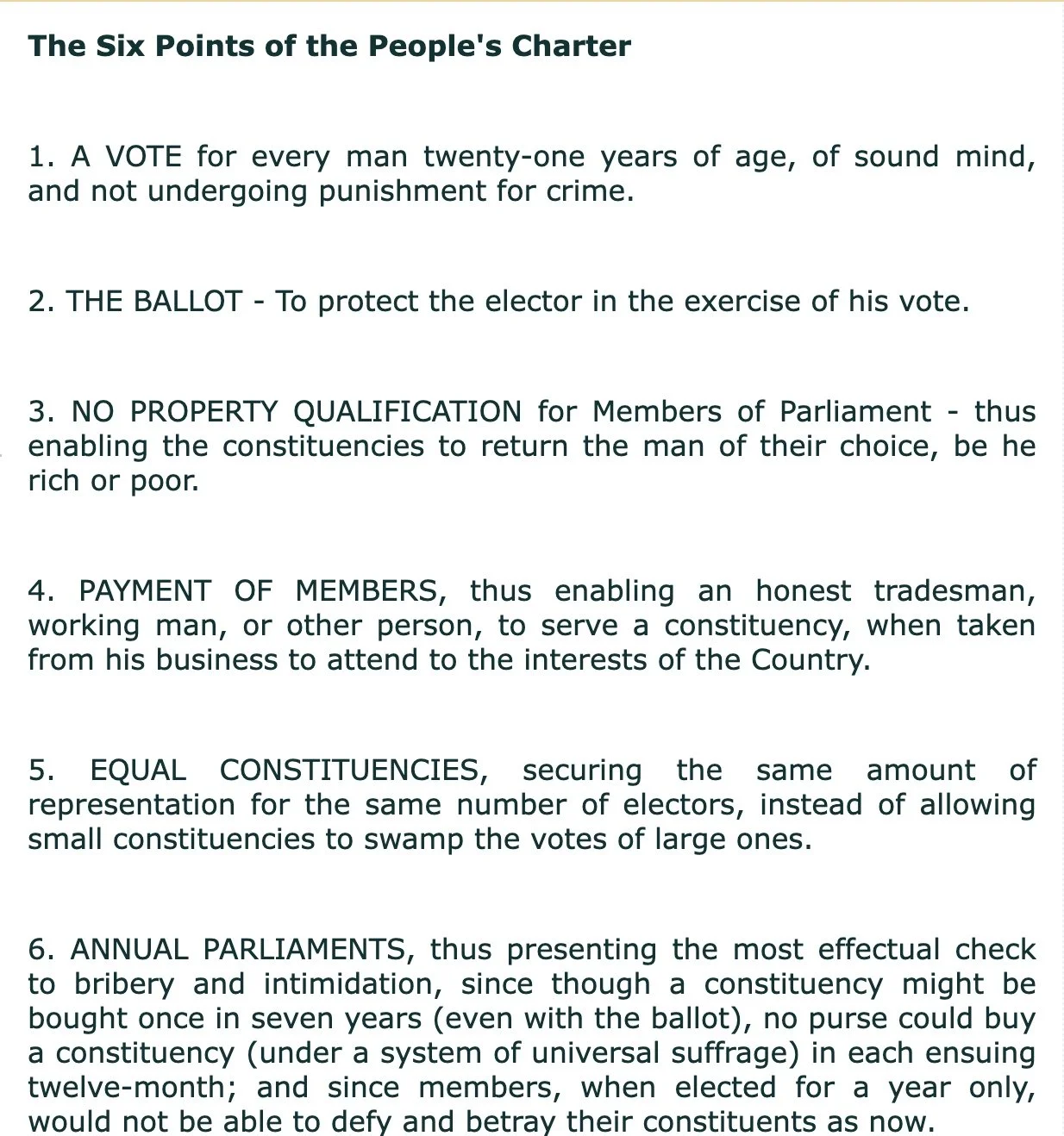
There is argument about the involvement of the Chartists in the initiation of the Potteries riots; their number was few. However, Thomas Cooper was a zealous and provocative speaker, a Methodist and temporarily teetotal, who invoked the sixth commandment: Thou shalt do no murder, referring to the government. The Chartists were all for changing government; the strikes were aimed at the owners of the collieries and potteries, the Wedgwoods, for example. (Royal Doulton that made my much used dinner set, did not come north from London until 1882). It was Cooper who addressed the crowd beside the organisers of the coal strike, probably inflaming them.

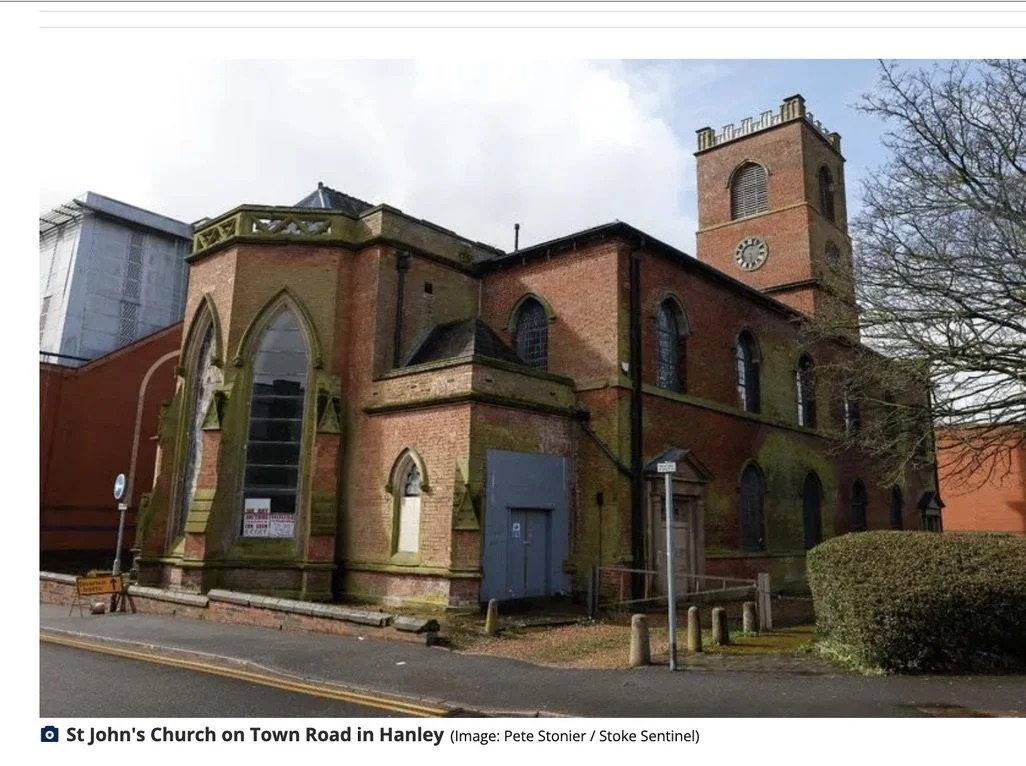
You can see a church in the corner of my photo of Crown Bank. There was no sign to tell what it had been but later on I discovered it was the Church of St John the Evangelist of which the Reverend Richard Aitkens was the rector. In the days of the riot it was surrounded by a burial ground and probably the rectory was nearby.
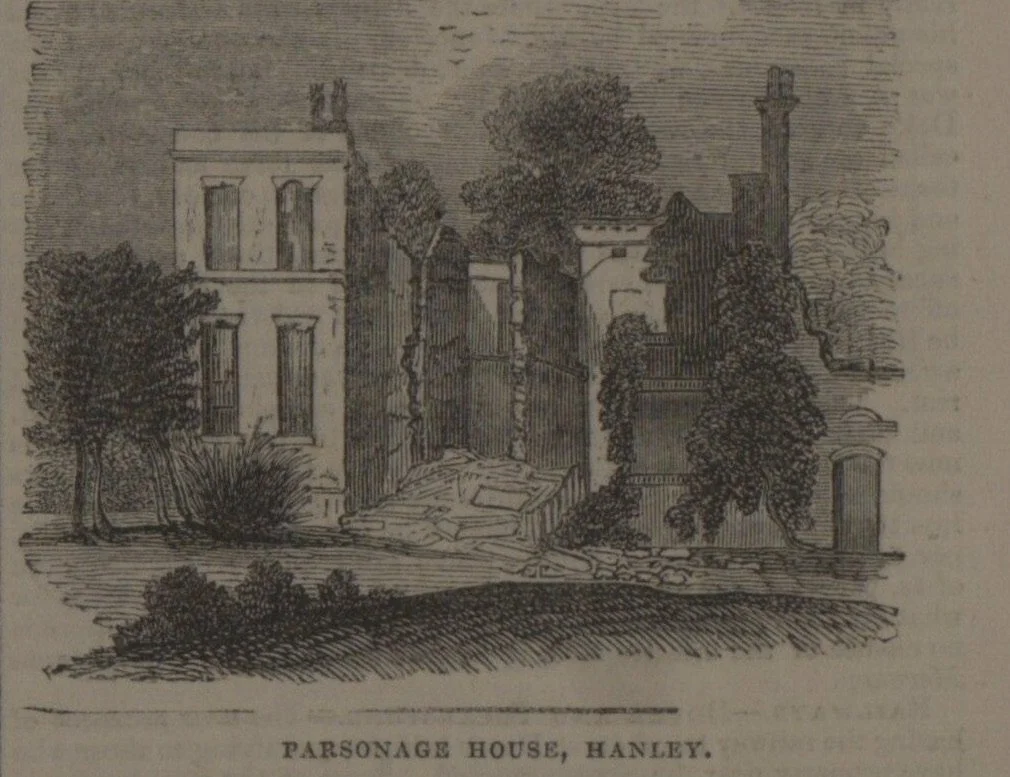
The Illustrated London News 8th October 1842 published a report of the Special Stafford Assizes sitting to try those arrested during the riots. This is the ruins of the house Henry and others pillaged and burnt down.
If Henry was involved in the attack on the rectory, so close to the place where the mob assembled, I wonder when he was arrested. It seems the constabulary were helpless as the rioters spread through Hanley, down the hill to Stoke-upon-Trent, on to Fenton and Longton. Perhaps they came back because it is written that the houses of the ministers Vale and Aitkens were burned during the night. The next day, they had ravaged Burslem; it was there the magistrates read the riot act and the military, the Dragoons of whom there were only 36 mounted troops, advanced, shooting and killing three and injuring others, according to the newspaper report.
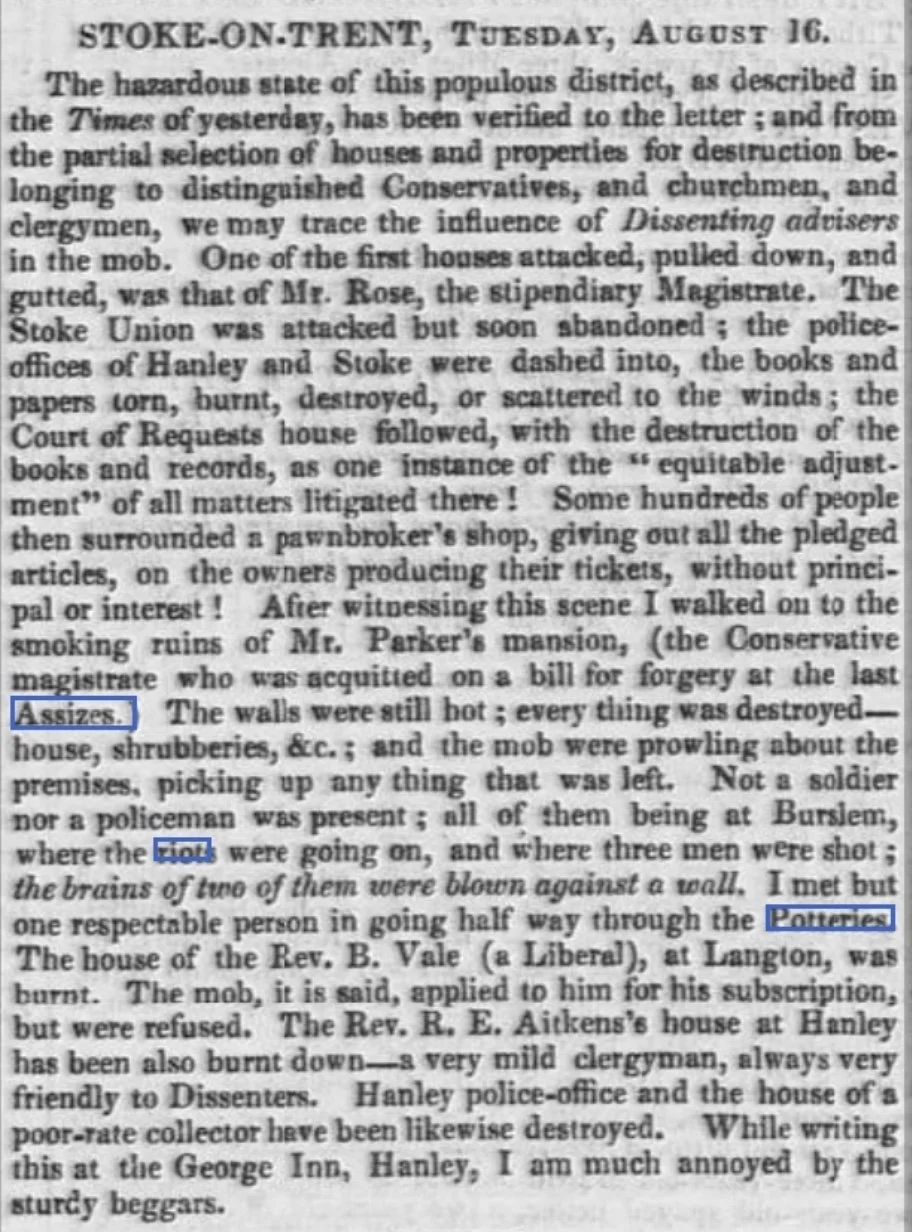
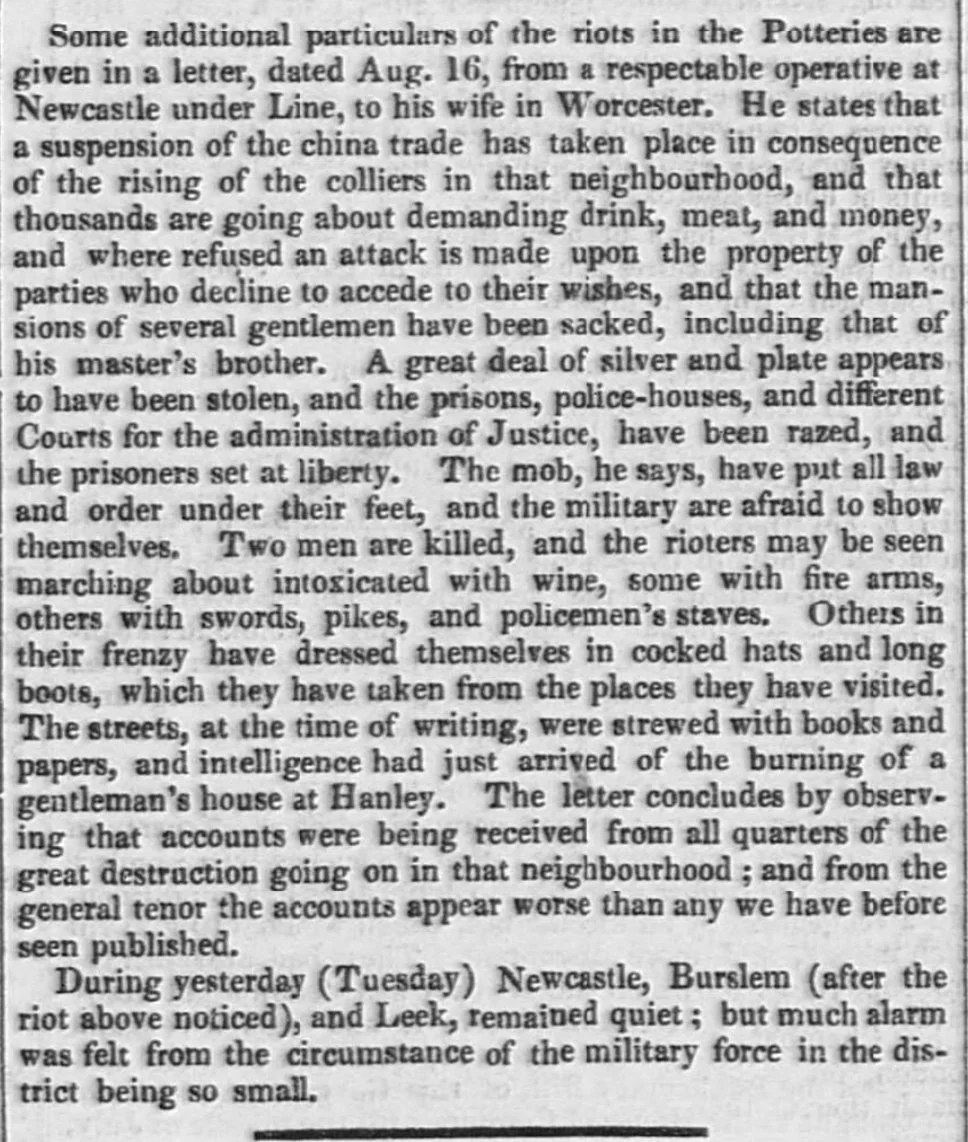
So this is the mess Henry got himself in to while his mother, Eliza and siblings Selina, Mary and John were probably have been in the workhouse. One can understand, even admire, his sentiments.
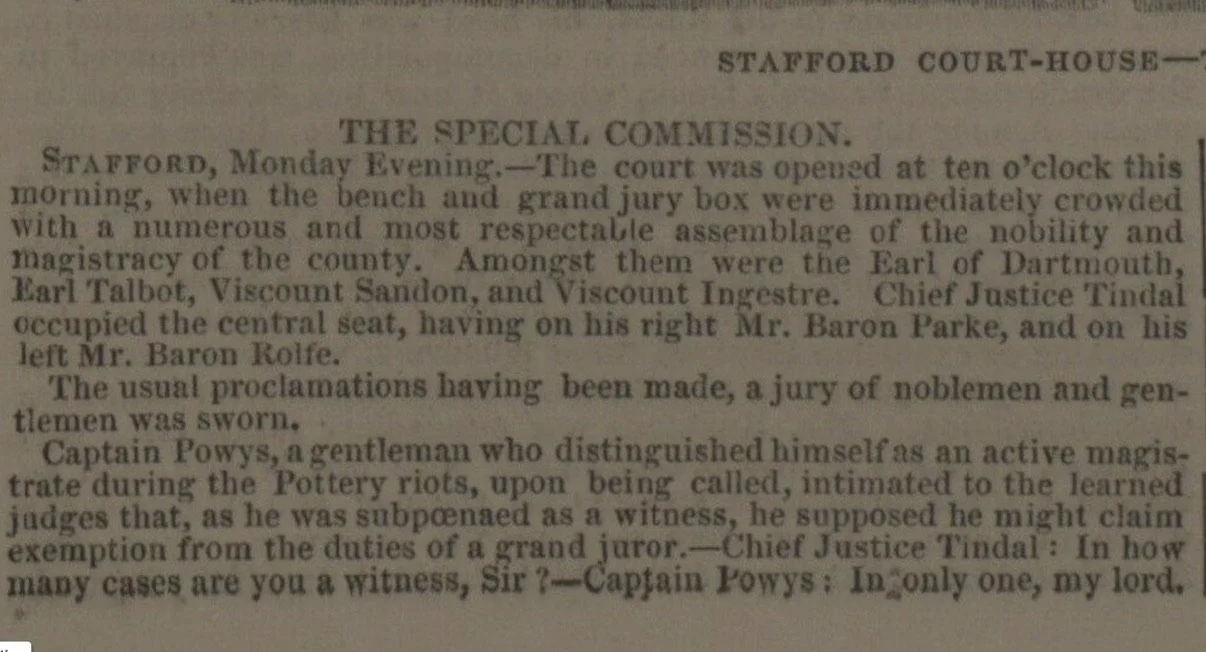
As you can read, the men of the jury were not the people’s equals.
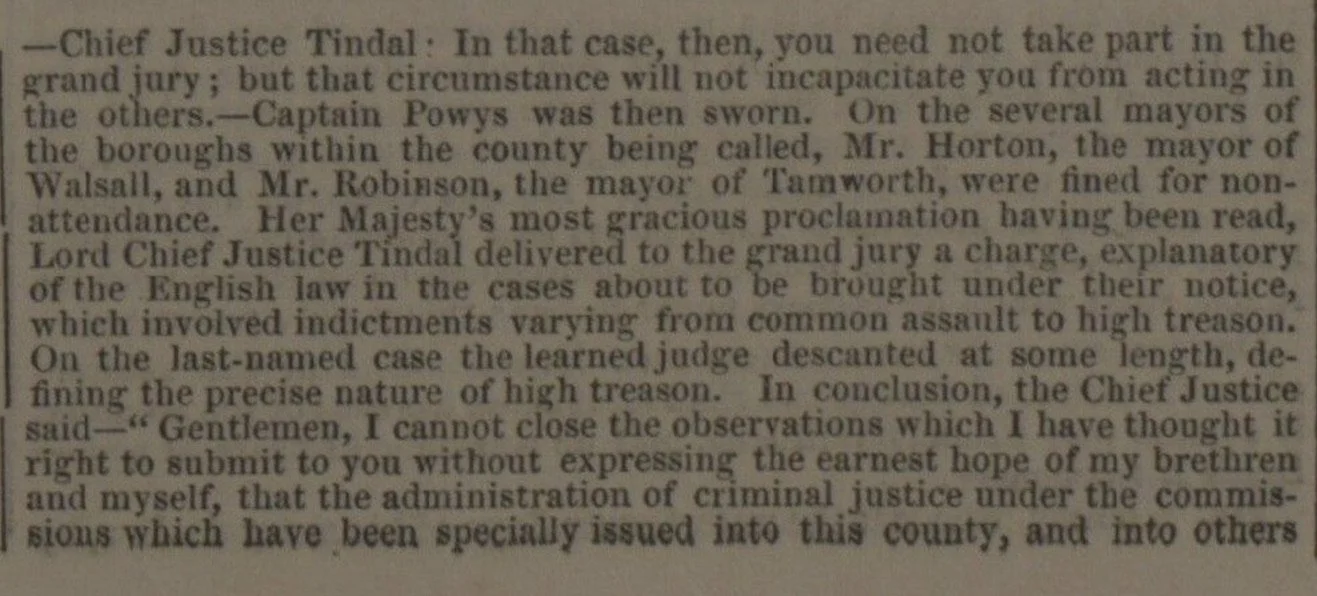
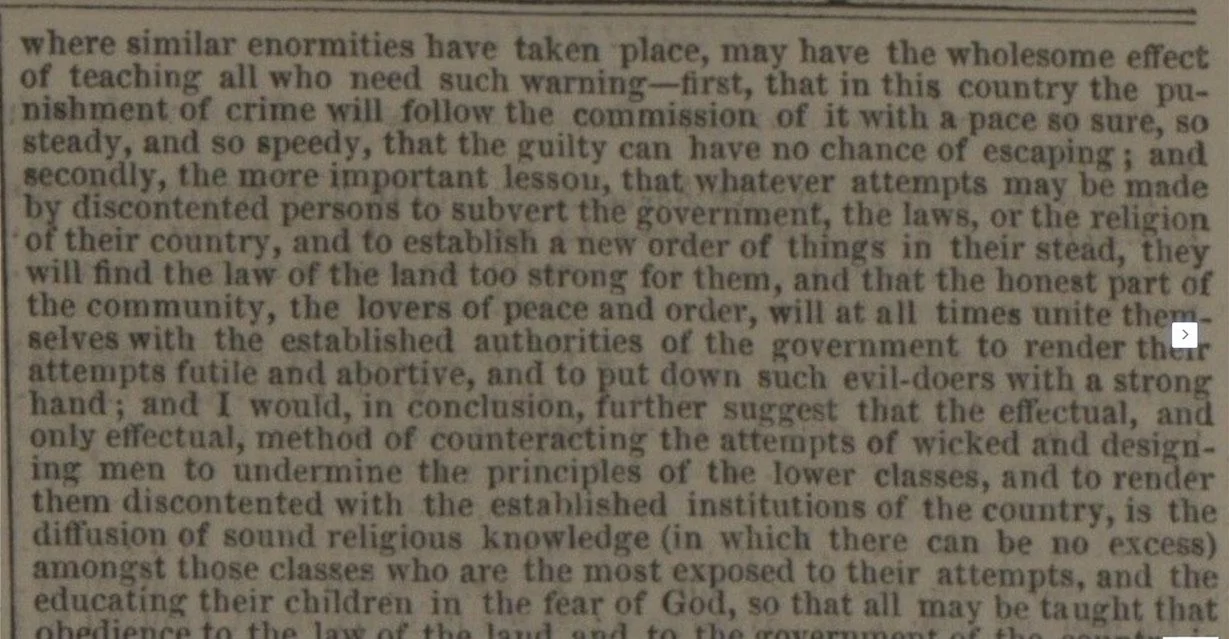
So was the judge biased? And how could the lower classes ever improve without rebelling if they had no representation in parliament? That was the crux of the Chartists’ message.
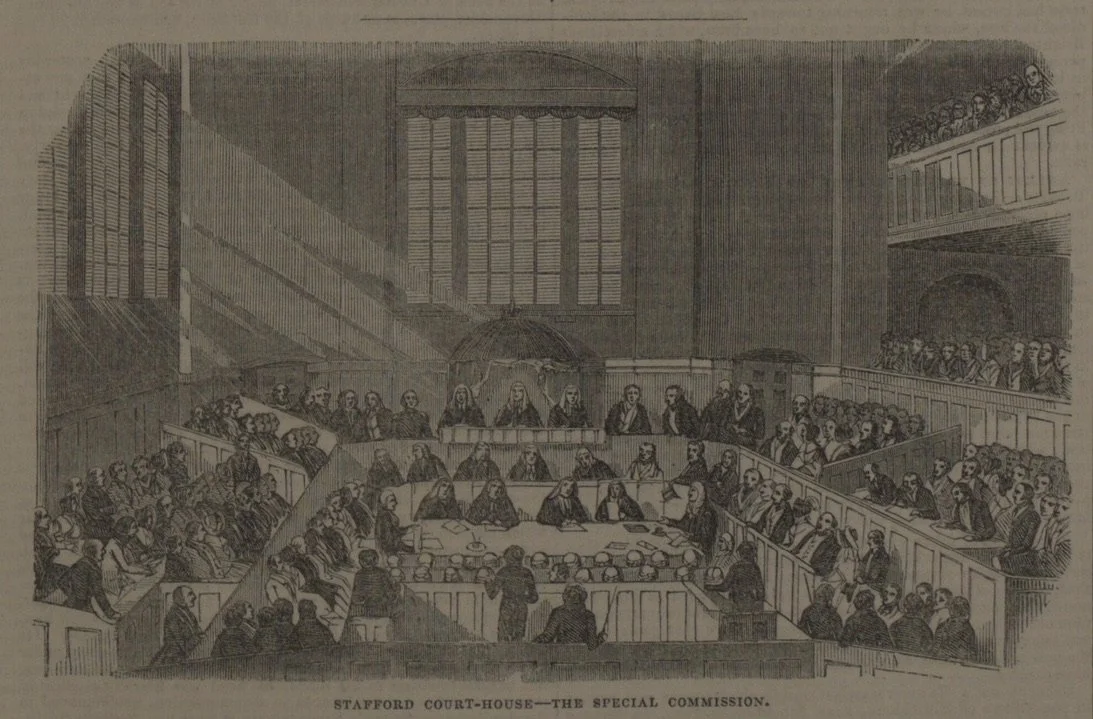
Somewhere in the bowels of this building, Henry awaited his trial and sentence. William Ellis was involved in the same arson attack as Henry.
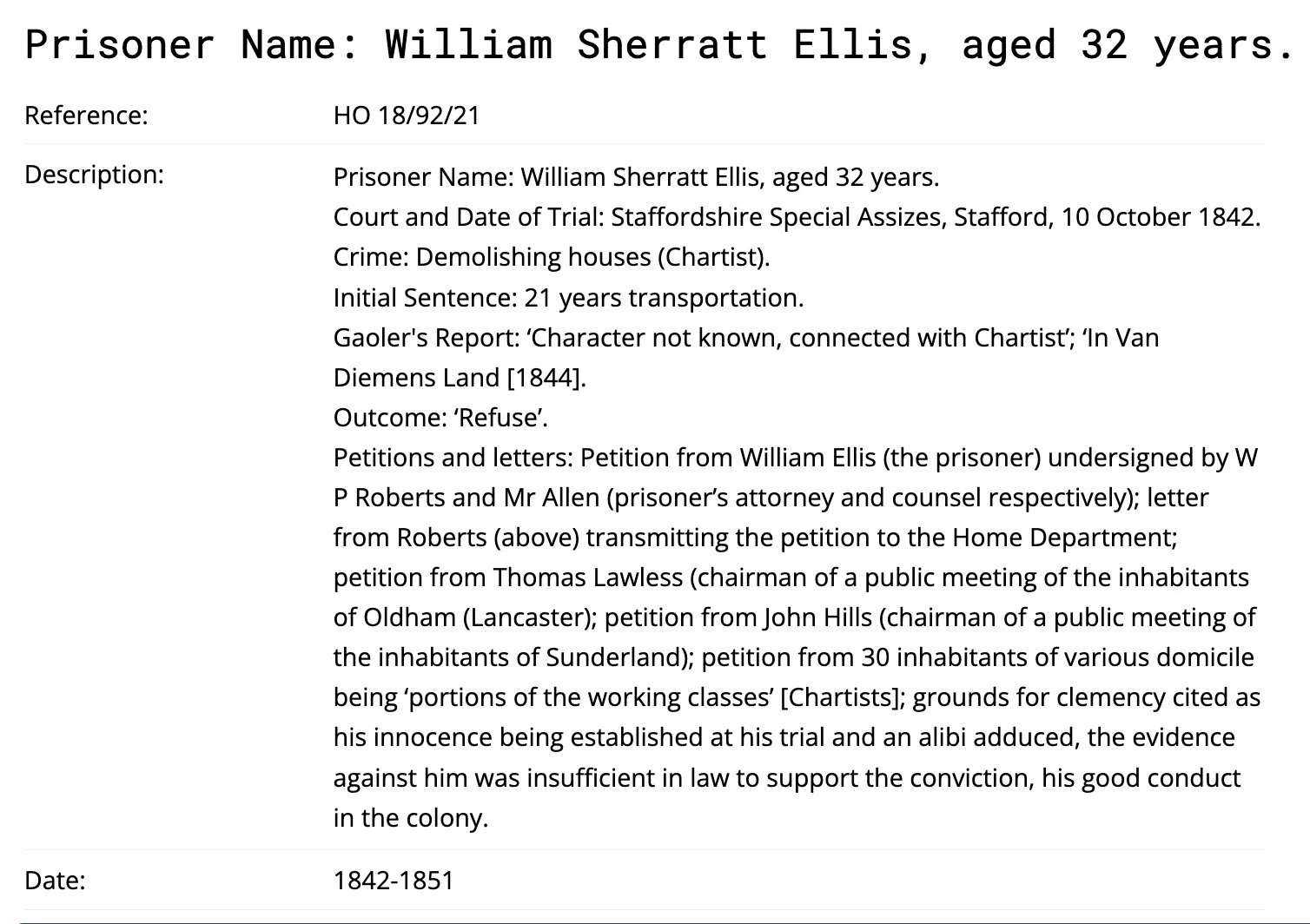
He petitioned for a more lenient sentence as he had a family but it was refused and he was also transported for 21 years. He died a pauper in the streets of Hobart Town.
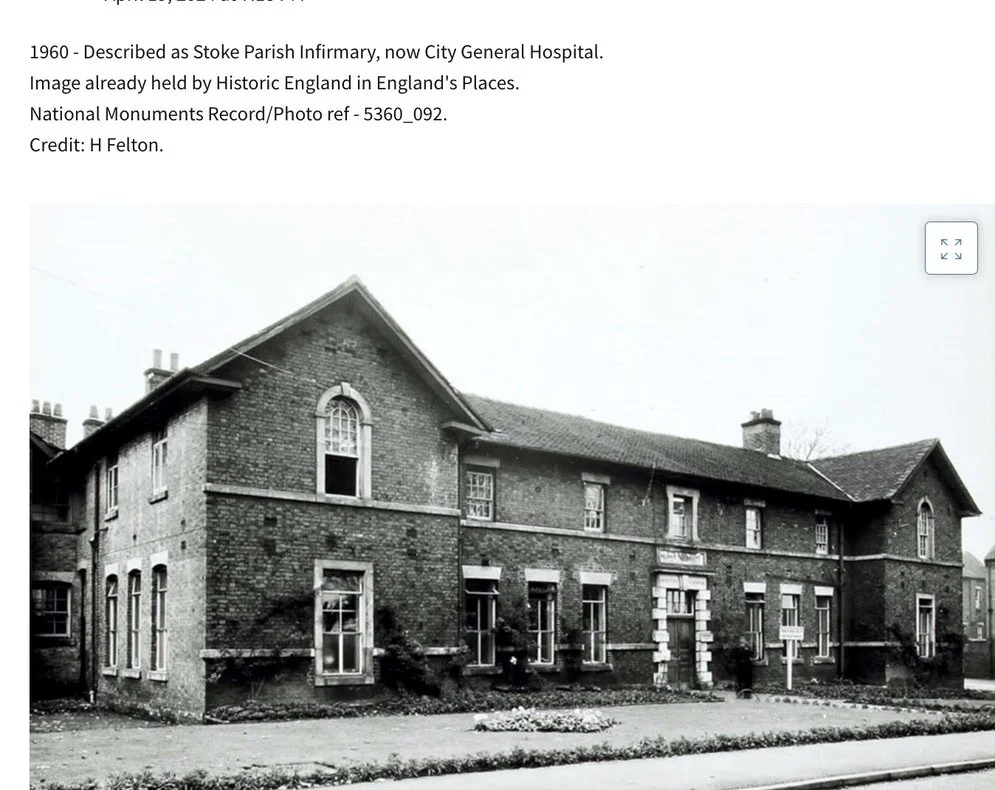
The site of the workhouse into which the Howard family were admitted on the death of their father Samuel in 1837
The rain seems to have stopped so I shall venture forth to find this place.